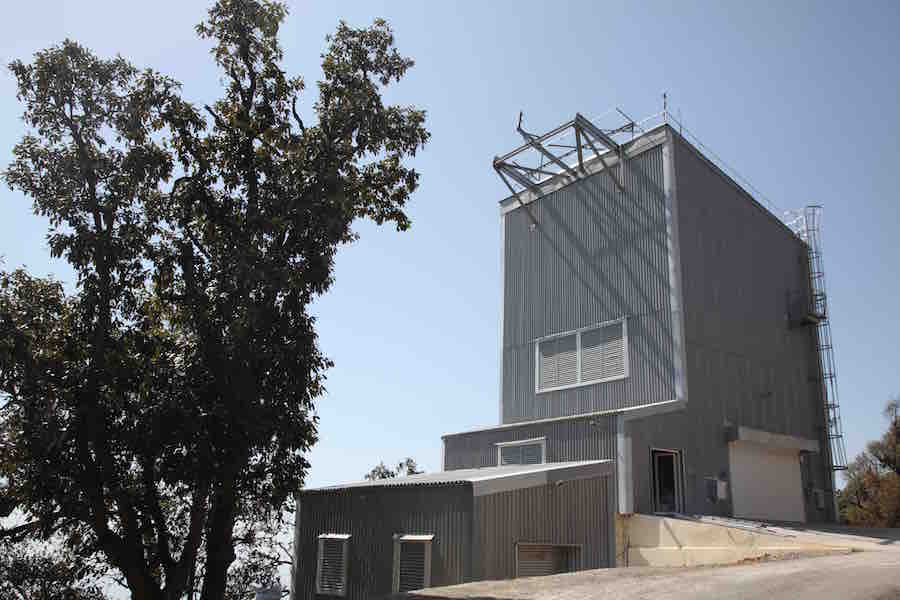
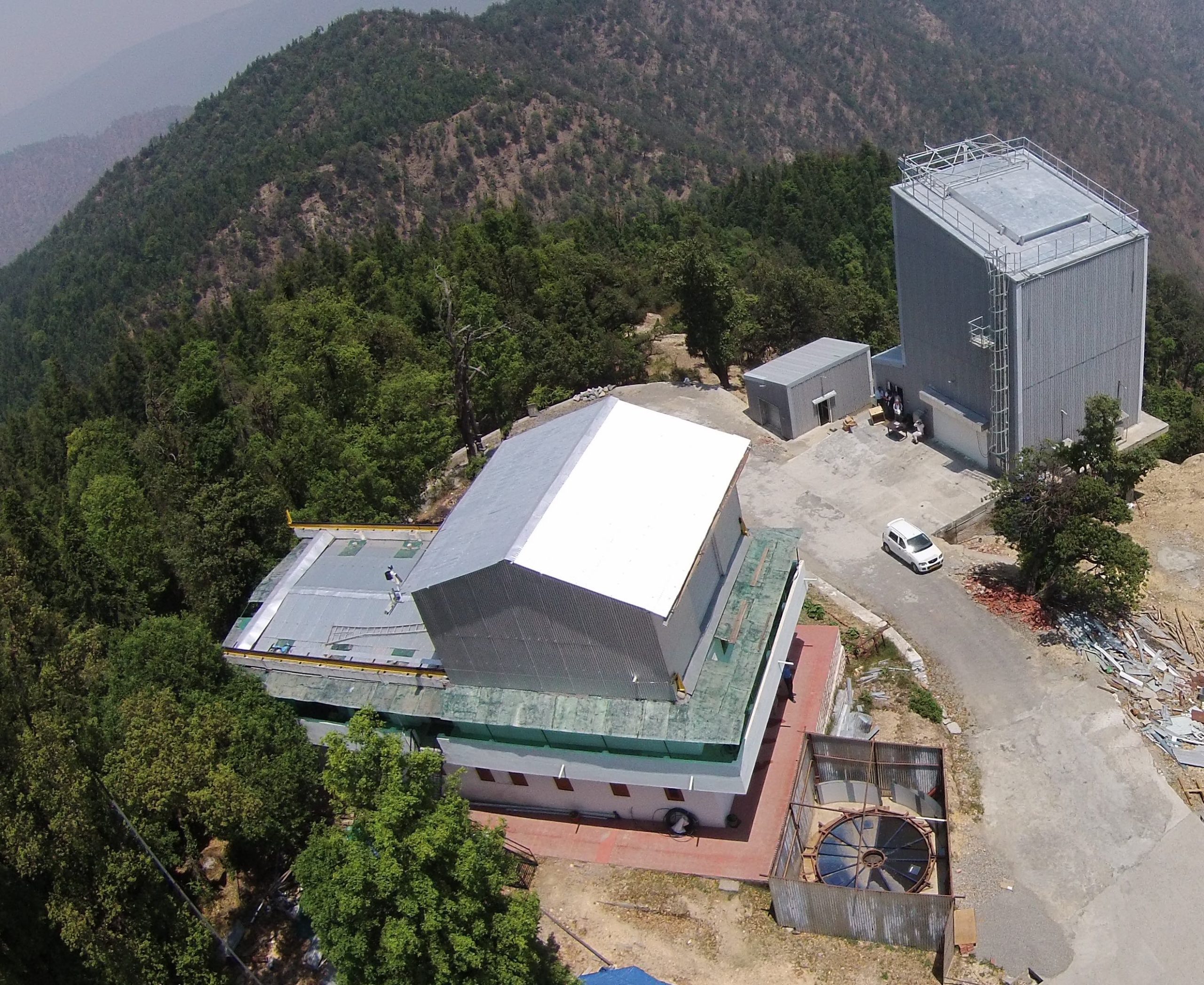
A new telescope facility on top of a hill in the Himalayan range (Uttarakhand, India) now keeps a watch on the overhead sky to identify transients and variable objects such as galaxy nuclei, supernovae, multiply imaged quasars, space debris, asteroids, …
The 4-m ILMT is the only liquid mirror telescope dedicated to astrophysical observations. It is the largest optical telescope in India.
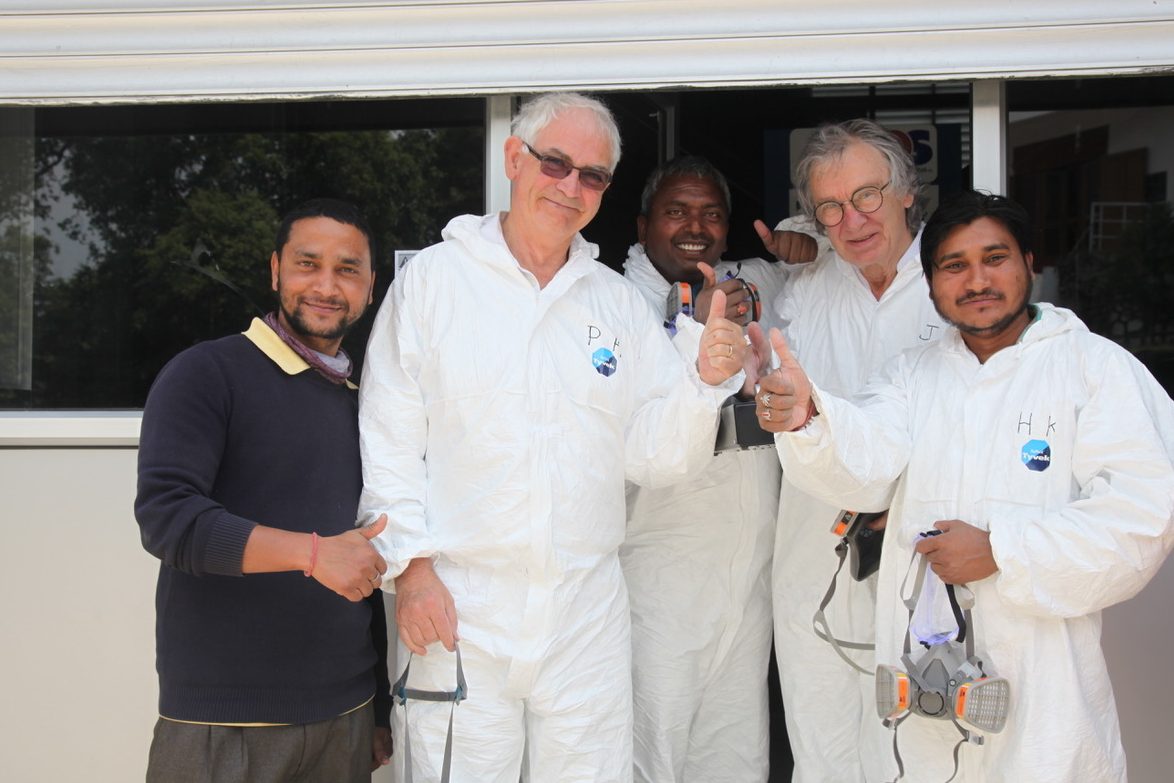
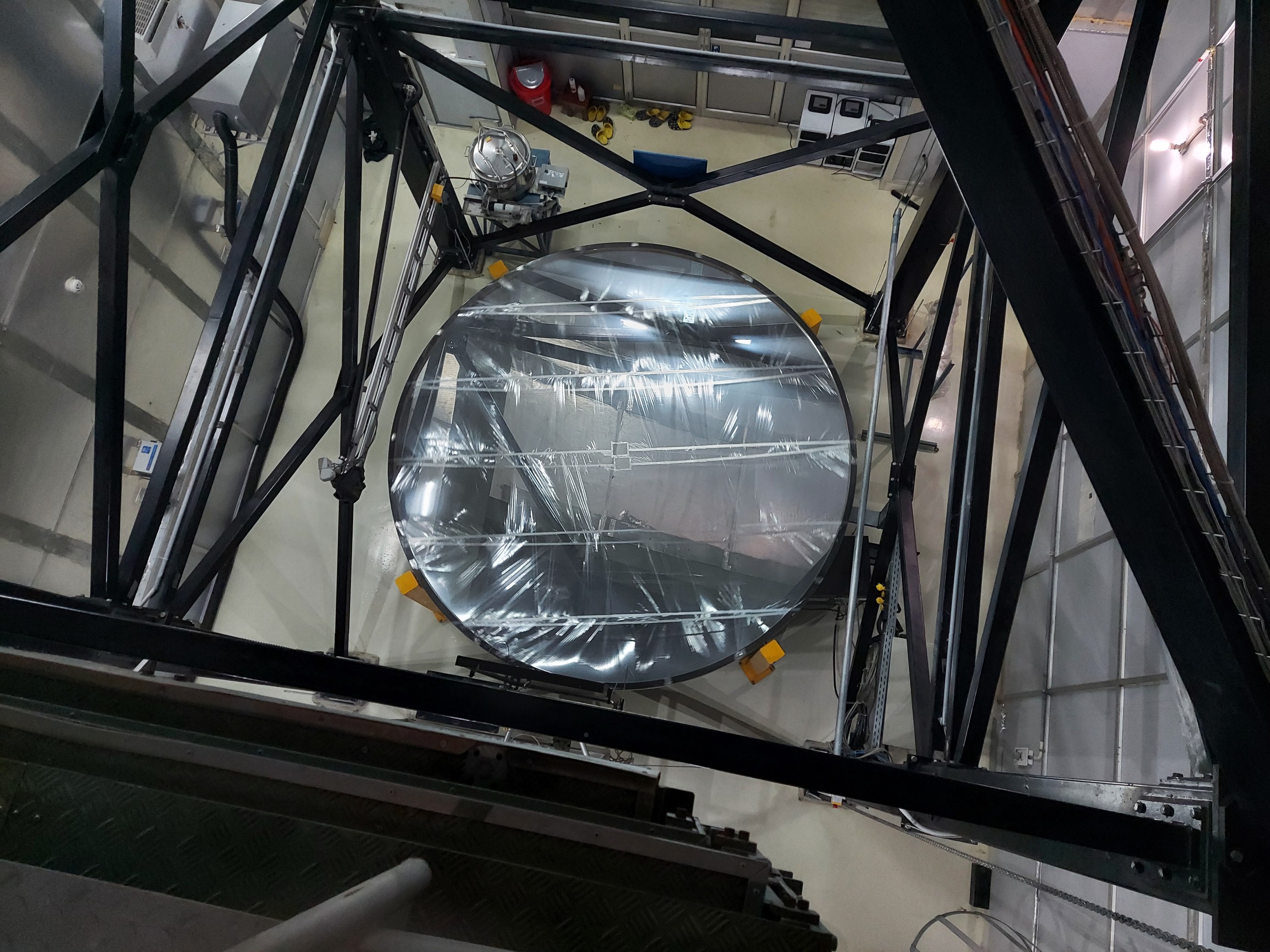
Built by astronomers from Belgium, Canada and India, the novel instrument employs a 4-meter diameter rotating mirror made up of a thin film of liquid mercury to collect and focus light. It is located at an altitude of 2378 metres at the Devasthal Observatory campus of Aryabhatta Research Institute of Observational Sciences (ARIES), an autonomous institute under the Department of Science and Technology (DST), Govt. of India in Nainital district, Uttarakhand.
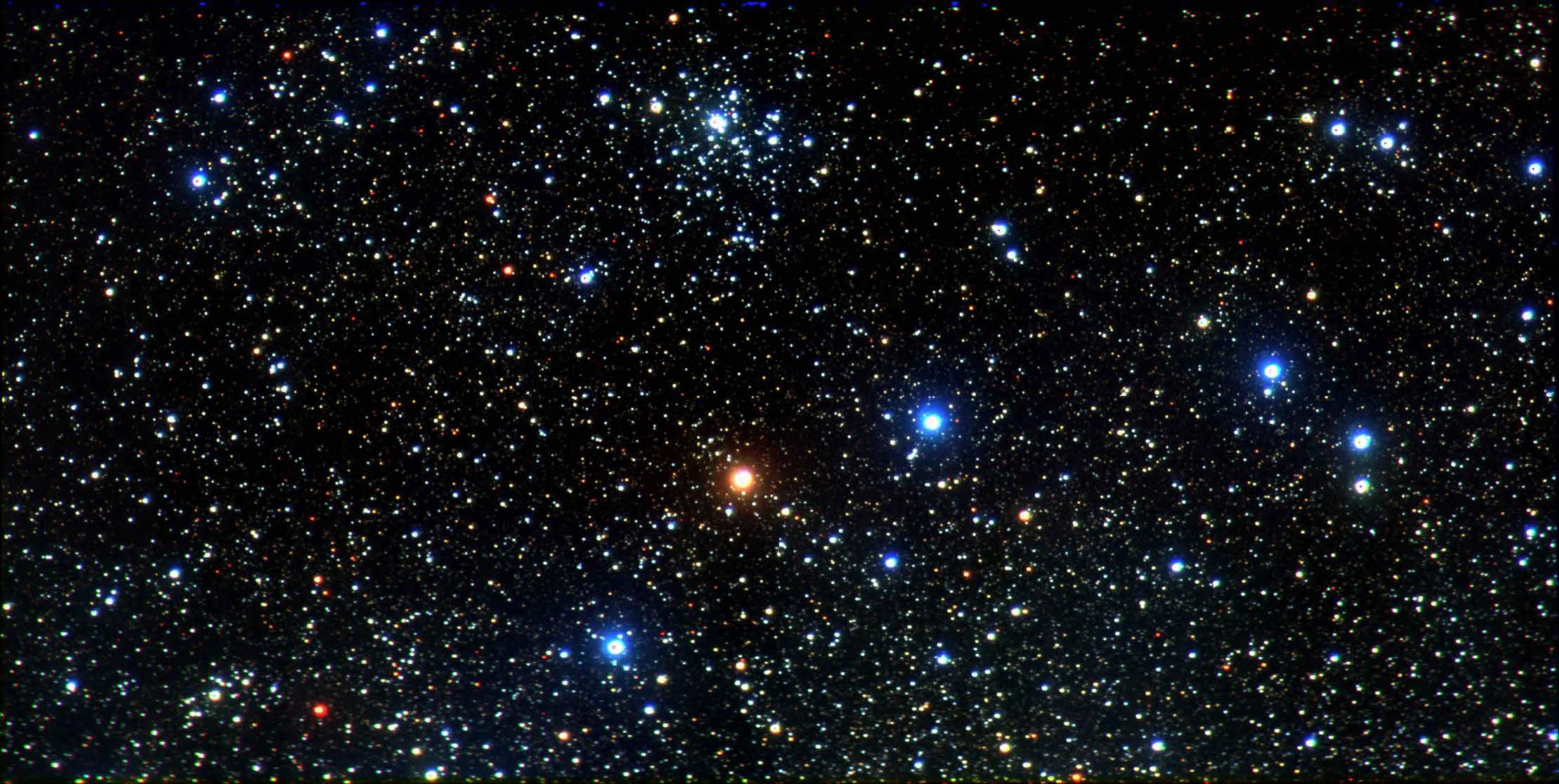
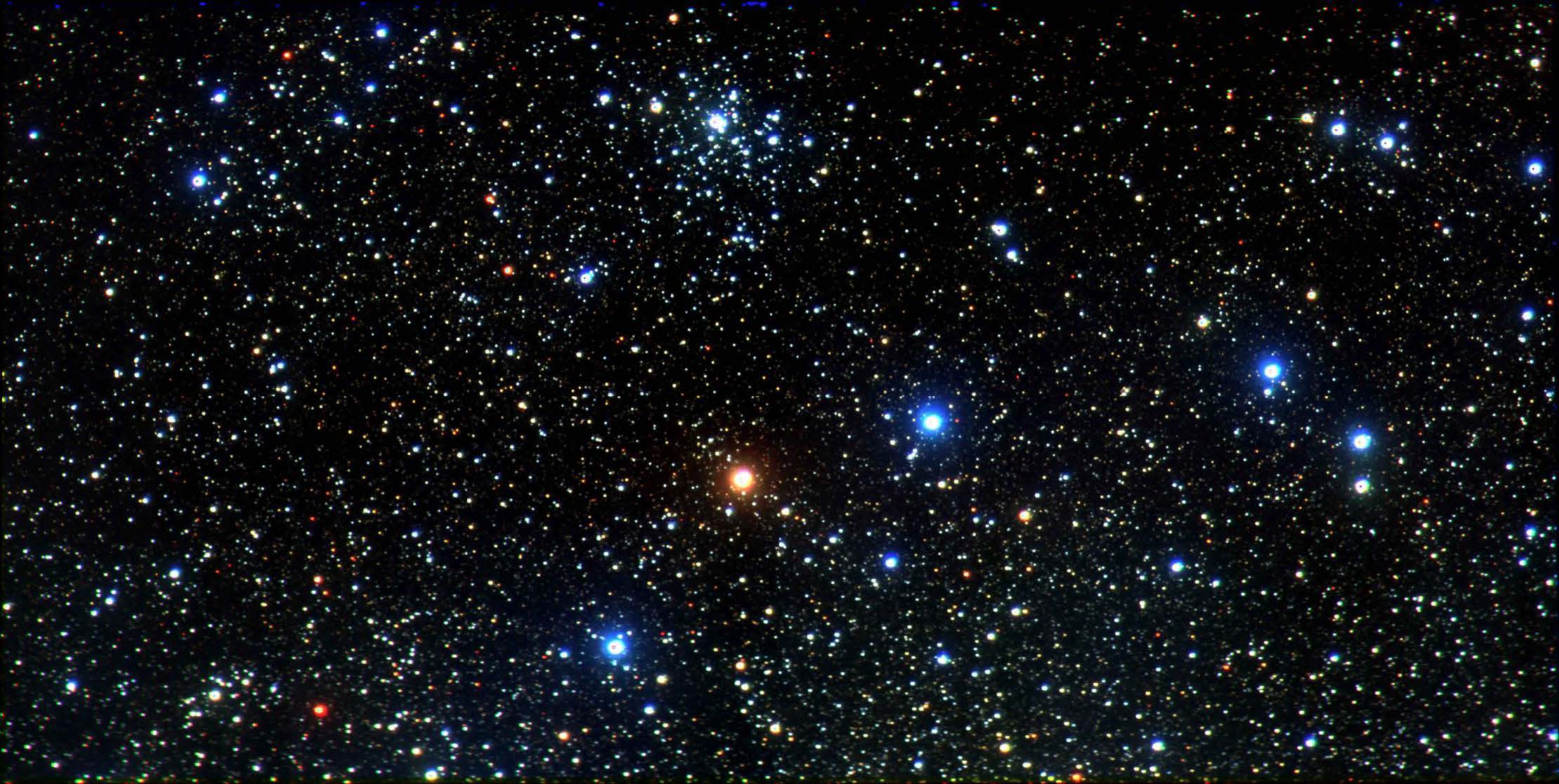
Astronomers from the three countries spun a pool of mercury which is a reflective liquid, so that the surface in rotation around the vertical axis, curved into a paraboloid shape which is ideal for focusing light. A thin transparent film of mylar protects the mercury from contact with the ambient air. The reflected light passes through a sophisticated multi-lens optical corrector that produces sharp images over a wide field-of-view. A large-format electronic camera (CCD) located at the focus records the images. Prof. Paul Hickson (University of British Columbia, Canada), an expert on liquid mirror technology, said that “the rotation of the Earth causes the images to drift across the camera, but this motion is compensated electronically by the camera. This mode of operation increases observing efficiency and makes the telescope particularly sensitive to faint and diffuse objects.”
“ILMT is the first liquid-mirror telescope designed exclusively for astronomical observations installed at the Devasthal Observatory of ARIES,” said Prof. Dipankar Banerjee, Director, ARIES. Prof. Banerjee mentioned that Devasthal Observatory now hosts two four-meter class telescopes – the ILMT and the 3.6m Devasthal Optical Telescope (DOT). Both are the largest aperture telescopes available in the country. Prof. Banerjee is also enthusiastic about the application of Big Data and Artificial Intelligence/Machine Learning (AI/ML) algorithms that will be implemented for classifying the objects observed with the ILMT. He stated, “I am hopeful that this project will attract and motivate several young minds from scientific and engineering backgrounds to take up challenging problems.”
“The wealth of data generated with the ILMT survey will be exemplary. In the future, several young researchers will be working on different science programs utilizing the ILMT data,” said Dr. Kuntal Misra, who is the Project Investigator of ILMT at ARIES. “When regular science operations began in October 2022, the ILMT started producing about 15 GBs of data every night, which are being quickly analyzed to reveal variable and transient stellar sources,” said Dr. Brajesh Kumar, ILMT Project Scientist at ARIES. The 3.6 metre DOT, with the availability of sophisticated back-end instruments, allows rapid follow-up observations of the newly-detected transient sources by the adjacent ILMT.
“The data collected with the ILMT will be ideally suited to perform a deep photometric and astrometric variability survey over a period of typically 5 years,” notes Principal Investigator Prof. Jean Surdej (University of Liège, Belgium).

The ILMT collaboration includes researchers from University of Liège in Belgium, ARIES in India, University of British Columbia, Laval University, University of Montreal, University of Toronto, York University and University of Victoria in Canada, the Ulugh Beg Astronomical Institute of the Uzbek Academy of Sciences and National University of Uzbekistan. The telescope was designed and built by the Advanced Mechanical and Optical Systems (AMOS) Corporation and the Centre Spatial de Liège in Belgium. ILMT First light was obtained on 29 April 2022.